Cocaine recovery for professionals
The Physical Signs of Cocaine Use (Nose, Skin, Sleep and More)
If you've found your way to this page, you're probably looking at someone — maybe yourself, maybe someone you love — and quietly asking the same question: is this what I think it is? The physical signs of cocaine use are easy to explain away one at a time, which is exactly how they slip past people for so long. A blocked nose is just a cold. A rough night's sleep is just stress. It's usually only when you step back and see the whole pattern that the picture sharpens.
I'm Gary. I'm a cocaine addiction specialist, I'm in long-term recovery myself, and I've spent years sitting with both the people who use and the people who worry about them. I want to walk you through what cocaine actually does to the body and how it tends to show — honestly, without the scare tactics, and without pretending a checklist can tell you everything. Signs can't diagnose anyone. What they can do is help you stop second-guessing yourself and take the next step with your eyes open.
Why cocaine shows up on the body at all
Two things about cocaine explain almost everything you'll read below. First, it's a powerful stimulant — it drives the heart faster, pushes blood pressure up, kills the appetite and switches off the body's need for sleep. Second, and less well known, it's a vasoconstrictor: it clamps down on blood vessels and chokes off the blood supply to whatever tissue it touches. A body running hot with the plumbing squeezed shut — that's why the effects turn up where they do.
None of what follows is a moral failing, and none of it means someone is beyond help. Bodies are remarkably good at repairing themselves once the drug is out of the picture. But knowing what to look for, and why it happens, takes some of the fear and confusion out of a situation that's frightening enough already.
The physical signs of cocaine use often start with the nose
Snorting is the most common way people take cocaine, so the nose usually shows it first — and usually before anyone's ready to admit why. Early on the signs are easy to wave off as a cold or hay fever:
- a constant sniff, or a runny nose that never quite clears;
- a blocked, stuffy nose and frequent nosebleeds;
- a dulled or fading sense of smell and taste;
- crusting or scabbing inside the nose, and a faint whistle when breathing.
Behind all of that is the vasoconstriction I mentioned. Every time cocaine meets the lining of the nose, the blood vessels clamp shut and starve that tissue of oxygen. Do it often enough and the delicate cartilage of the septum — the wall between the nostrils — begins to break down, bringing pain across the bridge of the nose and infections that keep coming back.
I'll be straight with you, because it matters: once a hole forms in the septum, or the bridge starts to collapse (what surgeons call a saddle-nose deformity), that damage is usually permanent and needs surgery to put right. It's one of the few cocaine harms the body can't quietly mend on its own — which is simply to say that the sooner someone stops, the more nose they get to keep.
Before we go on to the rest of the body, a short pause. If you're reading this and quietly totting up how many of these you recognise — in yourself, or in someone else — here's a private, thirty-second gut-check. Nothing is saved, and nothing is sent.
60-second check-in
Quick check: where are you with it?
Five honest questions. Nothing is saved or sent — your result appears only on your screen.
1. Do you use more than you planned to, or carry on longer than you meant to?
2. Have you tried to cut down or stop and found you couldn't?
3. Does cocaine take up a lot of your time, money or headspace?
4. Has it caused problems with work, money or people close to you — and you carried on anyway?
5. Do you need more for the same effect, or feel low, flat or anxious when you stop?
The skin, face and eyes
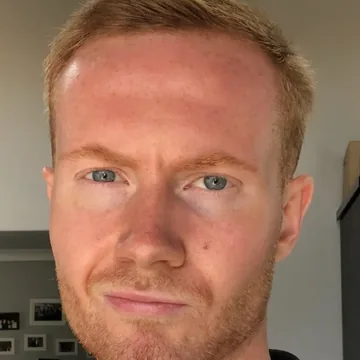
Cocaine often shows in the face before anywhere you'd catch at a glance. Because the drug flattens appetite and wrecks sleep, the skin tends to look pale, grey or sallow, with dark circles under the eyes and a worn, older-than-their-years look. Heavy sweating, even in a cool room, is common too.
The eyes have their own tell. Cocaine widens the pupils — the "cocaine eyes" people talk about — leaving them large and dark, often darting and slow to settle on anything. You might notice someone reaching for sunglasses at odd moments to cover it.
Then there's the skin itself. Some long-term users get a horrible sensation of insects crawling underneath the skin — it's called formication, or "coke bugs" — and it drives compulsive scratching and picking that leaves sores, scabs and scars, often on the face, arms or hands. Cocaine is also frequently cut with a cattle-worming agent called levamisole, which in some people damages the small blood vessels and causes patches of dying skin, particularly on the ears, cheeks and nose. If you're seeing unexplained sores that won't heal, that's a reason to get a doctor involved — not a reason to panic.
Jaw, teeth and mouth
"Coke jaw" is the involuntary clenching and grinding that rides in on the stimulant hit — the jaw works and the teeth grind without the person really deciding to. Over time that wears teeth down, cracks them and leaves the jaw aching. Rubbing cocaine on the gums, which some people do, burns the gum tissue and damages the teeth it sits against.
Some signs are an emergency, not a symptom to keep an eye on. Cocaine puts real strain on the heart. If someone has chest pain or a pounding chest, can't breathe properly, has a seizure, collapses, or becomes confused and overheated after using, call 112 or 999 immediately and tell them what's been taken. Don't wait to see if it passes — this is exactly what emergency services are there for, and no one will be judged for calling.
Sleep, weight and energy
This is where the physical signs of cocaine use get harder to hide over time. Cocaine switches off the body's off-switch, so sleep turns broken and shallow, or vanishes for a night or two altogether — then collapses into a flat, exhausted, low crash the next day. Appetite goes the same way: meals get skipped, weight drops, and the body slowly runs short of what it needs. A rhythm of no sleep and no food, followed by write-off days spent recovering, is one of the clearer patterns that families start to notice.
The exhaustion and low mood that follow aren't weakness or laziness — they're the body and brain trying to rebalance after being driven far too hard. Understanding that rhythm helps enormously, which is why I've written separately about the cocaine withdrawal timeline and what to expect as the body resets.
What the signs mean — and what to do next
Here's the part I most want you to hear. A physical sign is information, not a verdict. It tells you cocaine is taking a toll on the body — it doesn't tell you the whole story of the person, and it certainly doesn't tell you they can't stop. I've watched people arrive grey, hollow and picking at their skin, and six months later you'd not know them. Skin clears. Sleep comes back. Weight and colour return. The heart settles. The body is far more forgiving than the shame around all of this ever lets people believe.
If the signs on this page feel familiar in your own life, a good, low-pressure next step is to work out honestly where you stand — my guide to whether you're addicted to cocaine is written for exactly that. If it's someone you love you're worried about, then helping someone who uses cocaine is a gentler place to start than confronting them with a list. Either way, you don't have to be certain to reach out. You just have to be willing to look.
The body keeps the score, but it doesn't hold a grudge. Almost everything cocaine does to it starts to heal the moment you give it the chance.
Whatever brought you here — a nosebleed that scared you, a face that's changed, a worry you can't shake off — noticing is not nothing. It's the first honest look, and every recovery I've ever seen began with exactly that. You don't need to have it all worked out today. You just need to take the next small step, and you don't have to take it on your own.
Frequently asked questions
What does cocaine do to your nose?
Snorting is the most common way people take it, so the nose usually shows it first — a constant sniff, a blocked or runny nose, nosebleeds, a fading sense of smell, and crusting inside. That happens because cocaine clamps the blood vessels shut and starves the tissue of oxygen; done often enough, it can start to break down the septum. That kind of structural damage is one of the few cocaine harms the body can't quietly mend on its own, so the sooner someone stops the better.
Are the physical signs of cocaine use reversible?
Most of them, yes. Skin clears, sleep comes back, weight and colour return, and the heart settles once the drug is out of the picture — bodies are far more forgiving than the shame around all this ever lets people believe. The main exception is serious damage to the septum or the bridge of the nose, which usually needs surgery to put right.
What are cocaine eyes?
Cocaine widens the pupils, leaving them large and dark — often darting and slow to settle on anything. You might notice someone reaching for sunglasses at odd moments to cover it. It's one of the more visible tells, though on its own a sign is information, not proof of anything.
Can the physical signs alone tell me if someone is using cocaine?
No — signs can't diagnose anyone. A blocked nose, poor sleep or weight loss each have plenty of innocent explanations, which is exactly how they slip past people for so long; it's usually the whole pattern together that sharpens the picture. If it feels familiar, that's worth an honest look and a proper conversation rather than a verdict from a checklist.
Not sure where you stand?
Take the confidential 3-minute self-assessment — a private read on where you actually are. Or talk it through with Gary directly.
Take the self-assessment → Book a confidential chat