Opioid recovery
Opioid Withdrawal: Symptoms, Timeline & Safety
Opioid withdrawal has a fearsome reputation, and I want to give you the honest picture. The good news: unlike alcohol withdrawal, coming off opioids is rarely directly fatal. The harder truth: it's genuinely tough, and it carries a hidden danger that catches people out and kills them. So this isn't something to grit your teeth through alone — it's a medical process, and it should be managed with a doctor.
What opioid withdrawal feels like
Take opioids regularly and your body comes to rely on them. Take them away and your system has to readjust — that readjustment is withdrawal. Most people describe it as a severe dose of flu crossed with deep restlessness and anxiety. Common symptoms include:
- Early: agitation and anxiety, aching muscles, watering eyes, runny nose, sweating, yawning, trouble sleeping.
- Peak: stomach cramps, nausea, vomiting and diarrhoea, goosebumps, racing heart, dilated pupils, powerful cravings.
- Throughout: a flat, low mood and the bone-deep restlessness that makes it so hard to sit still.
It's miserable, and I won't pretend otherwise. But it's survivable, temporary, and far more bearable with medical support to take the edge off.
A rough timeline
Timing depends on the opioid — shorter-acting drugs like heroin or immediate-release codeine come on fast and pass sooner; longer-acting ones start later and drag out. As a general shape:
- 8–24 hours: first symptoms appear for shorter-acting opioids — anxiety, aches, sweating, cravings, runny nose.
- 24–72 hours: the peak — cramps, nausea, sickness and restlessness at their worst. It feels relentless, but this is the summit.
- 3–7 days: the acute physical symptoms ease for most, though sleep, energy and mood take longer.
- Weeks to months: a longer tail of low mood, poor sleep, low motivation and on-and-off cravings — often called post-acute withdrawal. This is where the real relapse risk lives, and where ongoing support matters most.
The danger nobody warns you about: overdose after a break
This is the most important section on the page. The biggest risk isn't the withdrawal itself — it's relapse afterwards. Once you've been through withdrawal, your tolerance drops sharply. The dose you took comfortably before is now far more than your body can handle. People come through a few days clean, have a wobble, go back to their old amount — and that old "normal" dose stops their breathing.
I cannot say this plainly enough: returning to your previous dose after any break can kill you. That's how a huge number of overdose deaths happen — not in lifelong users, but in people who'd stopped for a bit. If you relapse, start much lower and never use alone. The risk is higher still when opioids are mixed with alcohol or benzodiazepines. It's the very same tolerance-drop trap that kills people coming back to other drugs, which I explain in my guide to cocaine overdose.
Naloxone — a medication that reverses an opioid overdose — can save a life in those minutes. In many areas you or a family member can get a kit and be shown how to use it: ask your GP, pharmacist or local drug service. It's sensible insurance, not failure.
Why you shouldn't do this alone
Because opioid withdrawal is rarely directly fatal, people assume they should white-knuckle it. I'd push back hard. A GP-supervised taper — reducing the dose gradually rather than stopping dead — makes it far gentler and more likely to stick. Your doctor can also use medication to ease symptoms, or a substitute for stronger dependence. It's the safe way, and it dramatically lowers the relapse-and-overdose risk of crashing off cold.
If heroin or other strong opioids are involved, or the doses are high, go straight to specialist drug services — the helplines above can connect you. They do this every day, it's confidential, and it works.
Getting through withdrawal safely is the gateway. Staying off is the longer work — understanding what the opioids were doing for you, not just clearing them out.
After the worst is over
Surviving the acute phase is a real achievement — but the weeks after are where many slip, because the low mood and cravings linger and the reasons for using remain. That's the psychological side, where I work one to one. Understanding your triggers and treating whatever the opioids were managing turns a hard week of detox into lasting recovery. My guides on how to come off painkillers and opioid and painkiller addiction pick up from here.
I came through my own addiction, so I'm not speaking from a textbook. Withdrawal is hard, but it ends — and on the other side there's a life worth the discomfort of getting there. You don't have to face it alone.
Frequently asked questions
Can opioid withdrawal kill you?
Withdrawal itself is rarely directly fatal, unlike alcohol withdrawal. The real danger is afterwards: tolerance drops fast, so relapsing to your old dose can stop your breathing. That's why it should be medically managed, not white-knuckled, and why naloxone is worth having to hand.
How long does opioid withdrawal last?
Acute symptoms usually start within 8–24 hours for shorter-acting opioids, peak around 24–72 hours, and ease over 3–7 days. A longer tail of low mood, poor sleep and cravings can last weeks to months — the period when relapse risk is highest.
Why is overdose risk higher after stopping?
Because withdrawal lowers your tolerance sharply. The dose that felt normal before is now too much for your body, and going back to it can be fatal. If you relapse, start much lower, never use alone, and keep naloxone available. Tell your GP rather than picking up where you left off.
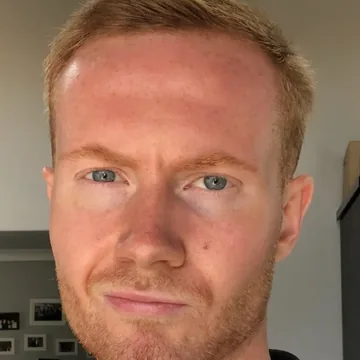
Worried about getting through it safely?
Get through it the right way. A private, confidential chat with Gary — no shame, no lecture — to plan your next step.
Book a confidential chat → Take the assessment