From Gary
What 2,000 Hours One-to-One With Addicts Taught Me About Recovery
I've now spent more than 2,000 hours sitting across from people in the grip of addiction — and before any of that, I spent years in its grip myself, recovering from cocaine, alcohol and gambling. When you hear that many honest stories, patterns start to emerge. Here are the few that matter most.
1. Nobody uses because they're weak
The single most common thing I hear is "I should be able to just stop." But in two thousand hours I have never once met someone who used because they were weak or stupid. People use because, at some point, the substance was doing a job — numbing pain, quieting anxiety, filling a void, making life bearable. Addiction is a bad solution to a real problem, not a character flaw. Understanding that is where change starts.
2. Shame keeps people sick
If there's one engine driving the whole thing, it's shame. Shame is what makes people hide, and hiding is what lets addiction grow in the dark. The people who recover are almost always the ones who manage, even once, to say the true thing out loud to one safe person. Honesty starves addiction; secrecy feeds it. Nearly all my work is just making it safe to be honest.
3. You don't have to hit rock bottom
The most dangerous myth in addiction is that you have to lose everything before you're "allowed" to get help. You don't. I've watched people turn it around from a quiet, high-functioning unease — long before any catastrophe. Waiting for rock bottom just means a deeper hole to climb out of. More on this in why you don't have to hit rock bottom.
4. Willpower is the fuel, not the engine
People arrive thinking recovery is a test of willpower, and beat themselves up when willpower alone fails — as it always eventually does. Willpower gets you started, but what keeps you stopped is method: changing your environment, your routines, your support, and the tools you reach for. White-knuckling on willpower alone is the hardest and most fragile way to do it.
5. Connection beats white-knuckling
Recovery is not a solo act of heroic discipline. The opposite of addiction isn't sobriety so much as connection. The people who last are the ones who let others in — a therapist, a group, a partner, a friend. Isolation is where relapse is planned; connection is where it's prevented.
6. Recovery is built, not found
Nobody stumbles onto recovery. It's built, one ordinary day at a time, out of small unglamorous things — sleep, routine, honesty, showing up. It rarely looks dramatic. But those small bricks, laid daily, become a life solid enough that you no longer need to escape it.
The throughline
If all of that comes down to one thing, it's this: addiction is a human problem with a human solution, and the door out is honesty and connection, not willpower and shame. I've seen it work from the worst-looking situations imaginable, and from quiet ones that hadn't fallen apart yet. Whatever yours looks like, it is not too early and it is not too late.
Frequently asked questions
Does everyone have to hit rock bottom to recover?
No. In my experience many people turn things around from a quiet, high-functioning unease, long before any catastrophe. Waiting for rock bottom only means a deeper hole; earlier is always easier.
Is addiction a sign of weakness?
No. People use because, at some point, the substance was solving a real problem like pain, anxiety or emptiness. Addiction is a bad solution to a real problem, not a character flaw.
What helps most in recovery?
Honesty and connection. Saying the true thing to one safe person breaks shame's grip, and letting people in beats trying to white-knuckle it alone. Method and support matter far more than willpower.
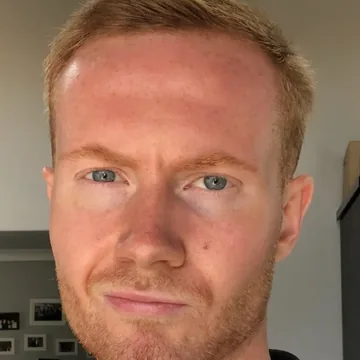
Wherever you are, it's not too late.
If any of this lands, a private, confidential conversation with Gary — ex-addict and specialist — is a good first step. No judgement, no pressure.
Book a confidential chat → Take the free assessment