Getting help
How to Find the Right Addiction Therapist
Deciding to get help is the hard part. But once you have, you hit a surprisingly daunting second question: how on earth do you find the right person? The field is full of titles — counsellor, psychotherapist, addiction specialist, recovery coach — and it is not at all obvious how to tell a good fit from a poor one when you are already at a low ebb. So let me make it simpler. Here is what to look for, what to ask, and the red flags worth heeding.
I write this as an ex-addict who needed the right help to find my way through, and as a therapist who now sits on the other side of that first conversation. I have seen how much difference the right person makes — and how a poor match can put someone off therapy for years. You deserve to choose well, and you are allowed to be choosy. This is your recovery you are trusting to someone.
What to look for
A few things genuinely matter when you are weighing up a therapist, beyond a reassuring website.
- Proper qualifications and accreditation. Look for recognised training and membership of a professional body that holds them to a code of ethics. This is your baseline, not a nice-to-have.
- Experience with addiction specifically. Addiction is its own field. A therapist who works with it regularly will understand cravings, relapse and the patterns of using in a way a generalist may not.
- An approach that fits. Different therapists use different methods. Evidence-based approaches like CBT are well suited to addiction — I explain why in what CBT for addiction actually is — but the right approach is partly a matter of what suits you.
- Understanding of your world. If you are a professional juggling recovery around a demanding career, someone who gets that — the privacy worries, the time pressure — will serve you far better than someone who does not.
Qualifications get a therapist onto your shortlist. Fit decides who you actually work with. You need both — and you are allowed to hold out for both.
Questions worth asking
A good therapist will welcome questions — it is a sign you are taking this seriously. Most offer a short introductory call, and that is the moment to use. Consider asking:
- "What is your experience with addiction?" You want a sense of how often they work with it and how comfortable they are in it.
- "What does your approach look like in practice?" Listen for a clear, jargon-free answer about how they actually work, not a wall of theory.
- "How do you handle confidentiality?" Especially if your privacy is a live concern, you are entitled to understand exactly how your information is protected.
- "What would the first few sessions involve?" A good answer gives you a feel for the structure and what is expected of you.
- "How do we know if it's working?" It is reasonable to ask how progress is judged and reviewed.
You are not interviewing for a favour. You are choosing someone to trust with something tender, and a therapist worth their salt will respect that entirely.
In person or online?
This used to feel like a big decision and, honestly, it matters less than people fear. Online therapy — done properly, one-to-one over video — is every bit as effective as sitting in a room for most people, and it brings real advantages.
- Discretion. No waiting room, no car to recognise outside a clinic. For professionals worried about being seen, this can be the deciding factor — a concern I dig into in getting help without derailing your career.
- Access. You are not limited to therapists within driving distance, which means you can choose on quality and fit rather than postcode.
- Convenience. It folds into a busy diary far more easily, which makes consistency — the thing that actually drives results — much more achievable.
Some people simply prefer the in-person experience, and that is a perfectly good reason to choose it. There is no right answer here, only the one that helps you turn up week after week.
Red flags to heed
Most therapists are decent, ethical people. But trust your instincts if you notice any of these.
The relationship between you and your therapist is itself part of the treatment. If it does not feel safe, honest and respectful, that is not a detail to push past — it is the whole foundation.
- Guarantees of a cure. Recovery is not a product with a warranty. Anyone promising a guaranteed fix is overselling, and that should give you pause.
- Vagueness about credentials. A reluctance to be clear about training, accreditation or how they work is a genuine warning sign.
- Judgement or shame. If you feel looked down on rather than understood, that is the opposite of what good therapy feels like. Shame is the enemy of recovery, not a tool of it.
- Poor boundaries. Anything that feels unprofessional or makes you uneasy is worth taking seriously rather than explaining away.
Trust the fit
Here is the thing I most want you to take from this: once the basics are in place — proper qualifications, real experience — the single best predictor of whether therapy works is the relationship itself. Do you feel you can be honest with this person? Do you feel understood rather than judged? That sense of safety is not a soft extra; the research is clear that it is one of the strongest drivers of a good outcome.
So if you have a first conversation and something does not feel right, you are allowed to look elsewhere. It is not rude and it is not failure — it is wisdom. The same goes the other way: when you find someone you click with, who knows their field and treats you with respect, that is worth a great deal. If you would like the wider lay of the land first, my overview of whether you can recover without rehab sets therapy in the context of the other routes.
And if you are weighing up working with me, I would warmly encourage you to use a first conversation exactly as I have described — to ask your questions and feel out the fit. You do not have to commit to anything to find out whether it is right; that is what an introductory chat is for.
Frequently asked questions
What qualifications should an addiction therapist have?
Look for recognised training and membership of a professional body that holds them to a code of ethics, plus genuine experience working with addiction specifically rather than as a generalist. Those basics get a therapist onto your shortlist; fit then decides who you actually work with.
Is online addiction therapy as effective as in person?
For most people, yes. One-to-one therapy over video is every bit as effective as sitting in a room, and it adds discretion, wider choice and the convenience that makes turning up consistently easier. Some prefer in person, which is a perfectly good reason to choose it — there is no single right answer.
What are the warning signs of a poor therapist?
Be wary of anyone guaranteeing a cure, vague about their credentials, who leaves you feeling judged or shamed, or whose boundaries feel off. The relationship is part of the treatment — if it does not feel safe and respectful, that is reason enough to look elsewhere.
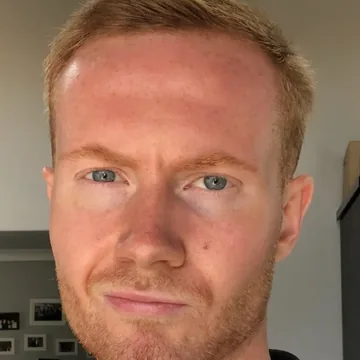
Wondering if we'd be a good fit?
The best way to find out is to talk. A private, confidential chat with Gary is your chance to ask anything and feel out the fit — no pressure, no commitment.
Book a confidential chat → Take the free assessment